

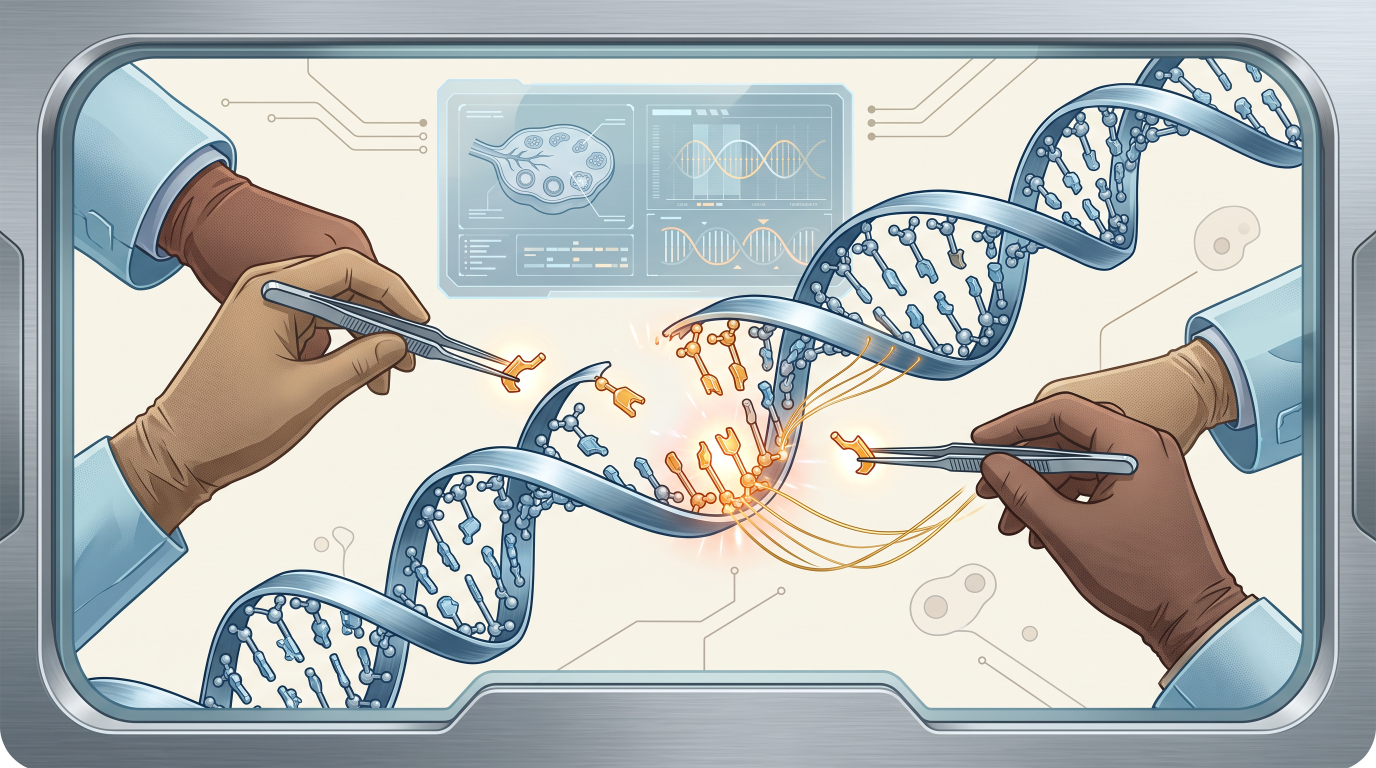
Every year in New Zealand, an average of 306 women are diagnosed with ovarian cancer and 207 lose their lives to it. The five-year survival rate for the 2018–19 period was just 42.8%. For patients, families, clinicians and the health system, the cost of late or incomplete diagnostic information is significant.
Awanui is working to change that by bringing a new class of diagnostic test, homologous recombination deficiency (HRD) testing, into routine use in New Zealand.
Better information, better treatment decisions
HRD testing helps clinicians identify which ovarian cancer patients are most likely to benefit from inhibitor therapies such as olaparib. The evidence is compelling. In the PAOLA-1 phase 3 clinical trial, HRD-positive patients treated with olaparib and bevacizumab had a 59% lower risk of progression or death than those treated with bevacizumab alone, and a 38% reduction in the risk of death. The PRIMA study found a 49% reduction in the risk of progression or death. International guidelines increasingly recognise HRD testing as a way to inform treatment decisions.
However, New Zealand has a gap here. BRCA testing is available, but no test currently available in the country also detects genomic instability. Genomic instability refers to widespread damage and errors in a tumour’s DNA, and it is a key marker of HRD-positive cancers.
Because only about half of HRD-positive tumours carry a BRCA mutation, relying on BRCA testing alone means many patients who could benefit from treatment are not being identified. Awanui sees this as both a clinical need and a clear opportunity to improve outcomes across the health system.
Why Awanui
Awanui is a network of IANZ-accredited diagnostic laboratories across New Zealand, performing approximately 70% of community testing and around 30% of hospital testing nationwide. That national reach, together with established laboratory systems and clinical relationships, makes Awanui well placed to introduce this new diagnostic at scale.
Progress to date
Awanui’s goal is for HRD testing to be integrated into the ovarian cancer diagnostic and treatment pathway in New Zealand. There is still work to be done, but the progress to date is meaningful.
Technical validation is underway using archived ovarian tumour samples with known results. The first validation run has given the team strong confidence: laboratory processing and sequencing performed well, and all BRCA results matched expected outcomes.
The project came about through Awanui’s innovation pathway, Awanui Horizon, a new initiative that gives innovative diagnostic projects, partnerships and technology a clear pathway from conception through to implementation. If you have a translational project related to diagnostic testing and need clinical laboratory expertise, validation support or an implementation pathway, Awanui wants to hear from you.
You can contact the Awanui Horizon team at horizon@awanuigroup.co.nz