

Awanui Labs is engaging with medical practitioners throughout Canterbury to improve the use of antibiotics for patients with skin and soft tissue infections (SSTIs).
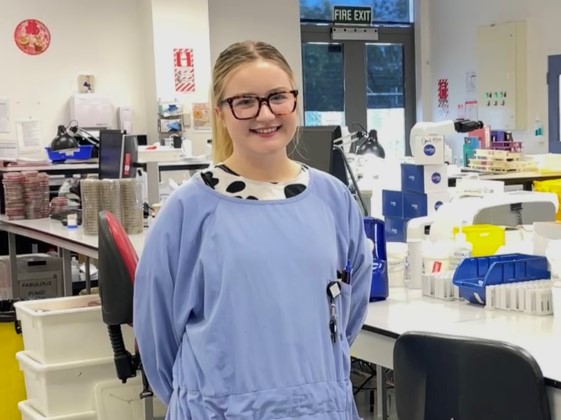
Medical Laboratory Technician Grace Bowden is undertaking the research as part of Awanui Labs’ antimicrobial stewardship initiative to better understand the reasons and circumstances behind why clinicians take a wound swab and prescribe antibiotics as treatment.
“It is important to build collaboration with local practitioners, so we can connect the dots between Canterbury and the wider initiative and examine the effectiveness and outcomes of extending exception reporting to the region,” says Grace who is studying for a Postgraduate Diploma in Medical Laboratory Science at Otago University.
Awanui Labs changed their reporting procedure for skin and soft tissue infection swabs at Wellington Regional Hospital laboratory in 2023 to reduce unnecessary antibiotic prescriptions for patients. This procedure is known as exception reporting.
Under this change, organisms isolated from community wound swabs are tested to identify the bacteria, but the results are only reported if the bacteria is resistant to standard antibiotics. This revised method reduced the number of prescriptions for patients by about half, meaning a large amount of unnecessary antibiotic use has been avoided.
While the change centred on the Greater Wellington region, exception reporting was extended to Canterbury late last year.
“The study will match anonymised prescribing data held by Awanui against the results of culture wound swabs reported by our laboratory in Christchurch. Analysis of this data should provide a good understanding of whether exception reporting is reducing unnecessary antibiotic use in this region,” says Grace.
“We are collecting data on the referrer’s role, how many SSTI cases they manage each week, the situations for them to request a wound swab and factors and frequency for treating with antibiotics. The survey includes asking about awareness of the New Zealand antibiotic prescribing guidelines, the changes in how Awanui Labs is reporting wound swab results, and whether this changed their approach and decision-making regarding treatment.”
Grace says it is important referrers recognize why Awanui Labs changed the reporting process and to reassure them exception reporting is safe, backed by scientific evidence, and in the interests of improving patient care.
“By combining data analysis with direct engagement from medical practitioners, Awanui Labs can provide valuable insight into antibiotic use, and build understanding and confidence in exception reporting in Canterbury.
“Antimicrobial resistance is a serious issue for the pathology and health sectors and if we can find ways to improve our Antimicrobial Stewardship initiatives, then we are delivering better outcomes for healthcare and patients in New Zealand,” says Grace.