

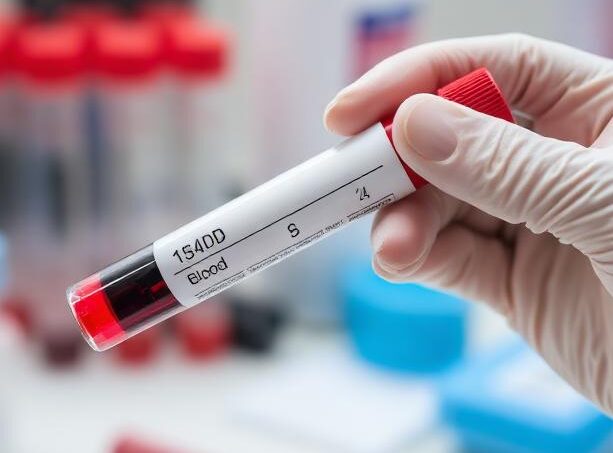
The number of times a blood sample had to be recollected for babies at Wellington Regional Hospital’s Neonatal Intensive Care Unit (NICU) almost halved over the past 12 months following a study into whether results from clotted Complete Blood Count (CBC) samples could be safely and reliably reported by Awanui.
Scientist Kate Perry, who led the project, says clotted samples received by the laboratory from NICU were previously not processed and a rebleed was required.
“Our staff had to call the ward nurses and ask them to recollect the sample, taking extra time and resources, which could delay care and increase the risk for patients.
“These samples are taken from babies who are often born premature, can be acutely unwell, and more prone to clotting as a population group. Recollects are painful and often traumatic for such young ones and can have long-term detrimental neurological effects, so my goal was to reduce this from happening,” says Kate.
“The study involved processing the clotted samples from NICU, examining the results compared to non-clotted samples, and determining if there are any acceptable parameters which can be safely reported to prevent the need for a rebleed.
“Our analysis showed we were able to report selected parameters from the clotted CBC samples, with appropriate caveats, which the NICU staff could then use for their treatment decisions.
“The outcome meant our team produced a new reporting strategy for NICU patients and delivered a 47 percent reduction in rebleeds on the ward throughout last year.”
Kate says the feedback for Awanui is NICU staff are delighted as this project reduced their workload, stress and pressure and there are meaningful benefits for the babies and their families.
“Even though as scientists, our work is often behind the scenes, we can still make a difference in the quality of care. Through this study, Awanui is delivering positive outcomes for hospital staff, our labs and a real difference for our most precious patients,” says Kate.